Spring in the New England Tablelands – a question I get asked every year as the grip of winter finally lets go. By late August, frost-biting mornings persist, but the ground begins to warm, and colour slowly seeps back into the landscape. You’ll notice it first along the fences, then in roadside reserves, and eventually across the national parks once September really starts to settle in.
I’ve been all over Australia, but spring up here always feels like a hard-won prize. You see, this country sits right along the spine of the continent – if you’ve ever wondered where is great dividing range, a good place to stand and get a feel for it is right here.
Contents
- 1 Why This Seat of Plenty Delights Every Springtime
- 2 When The Show Actually Rolls In (Month By Month)
- 3 The Top Parks For Wildflowers
- 4 Orchids And Grassland Species That Steal The Show
- 5 How The Tablelands Compare Across NSW
- 6 Wildflowers Versus Farms And Gardens
- 7 Using Trails And Guides Well
- 8 Planning Realistically: Weather, Roads, And Safety
- 9 Respecting Country And Staying On Track
- 10 A Low-Key 2 Day Spring Loop
- 11 The Season is Short – Make the Most of It
- 12 FAQ
Why This Seat of Plenty Delights Every Springtime
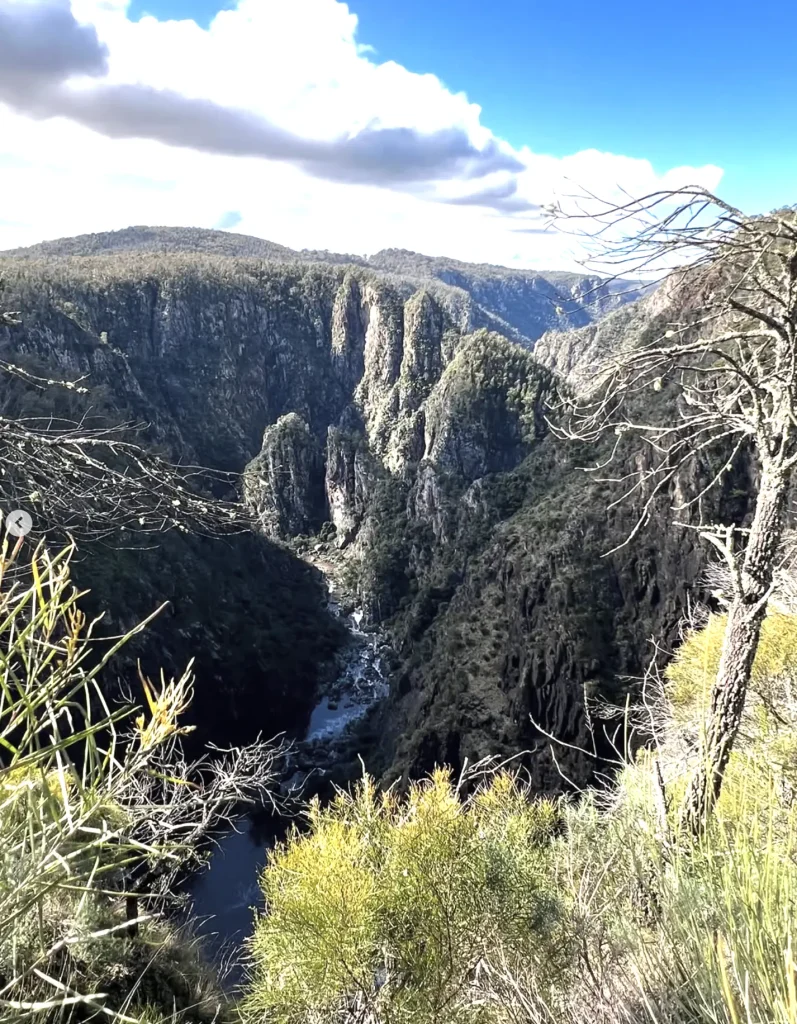
The New England Tablelands are a broad plateau, sitting anywhere between 700 and 1,500 metres above sea level – and in that respect, it’s a whole different world. Winter lingers longer up here than at the coast, which means growth is delayed, but once daylight starts to stretch and soil temperatures start to rise, spring arrives quickly.
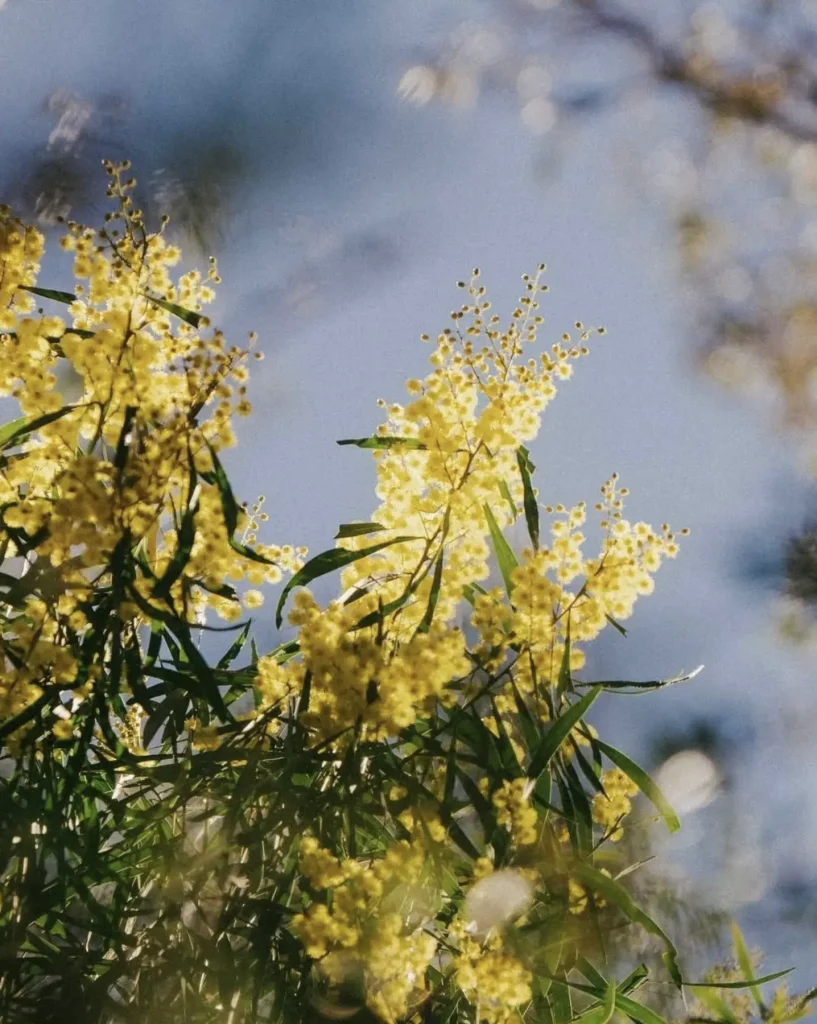
In the local ecosystem, the region is part of a bioregion officially recognised in NSW that supports over 1,000 native plant species, including a high concentration of daisies, peas, wattles, and terrestrial orchids. Many of these plants are short-lived, and their blooms rely on winter rain and a very tight temperature window – which is why timing makes all the difference, and why distance isn’t everything.
The Great Dividing Range plays a big role here, too – it sets the rainfall patterns, temperature swings, and soil types that make a place like this so very different from the nearby lowlands.
When The Show Actually Rolls In (Month By Month)
Spring is a moving target up here – it’s never just a single moment. A warm September after a good winter of rain will always outshine a dry October, hands down.
So, here’s the lowdown – this is how it usually goes:
September arrives with a warm spell, and when the rainfall has been good, spring can really come alive in its first few days of the month.
October, with its summer-like days and autumnal nights, will bring out a second wave of blooms, but only if the weather has been kind.
November starts to see the first signs of a decline in the wildflower show, as the heat kicks in and some of those plants start to fade away.
But even into December, with its warmer days and cool nights, some of those hardier plants are still going strong.
| Period | Typical Bloom Highlights | What To Expect |
|---|---|---|
| Late August | Early wattles, ground covers | Frosty mornings, clear skies |
| September | Orchids, peas, billy buttons | Cool days, rapid growth |
| October | Peak diversity across parks | Warm days, storms possible |
| Early November | Late bloomers, grasses | Hot afternoons, flies |
September and October are your best bets for seeing wildflowers. The stats say the average rainfall in the Tablelands is around 790 mm a year, and when you have a decent winter with plenty of rain, it’s almost a given that you’ll get a cracking spring display.
The Top Parks For Wildflowers
Perched on the edge of the escarpment, this park has got everything going for it – forest edge, open heath and exposed lookouts all combine to create perfect conditions for spring flowers. When you’re around Point Lookout, you’re going to find orchids growing out of the grass, yellow daisies clinging to the edges of the track and peas snaking through low shrubs.
The walking tracks are in good nick, but it’s a good idea to wrap up warmly at the start and peel off layers as the day warms up. And don’t rush – lots of the flowers are pretty low to the ground, and you’ll miss a lot if you’re not taking your time.
Oxley Wild Rivers National Park – Gorge Country And An Early Spring
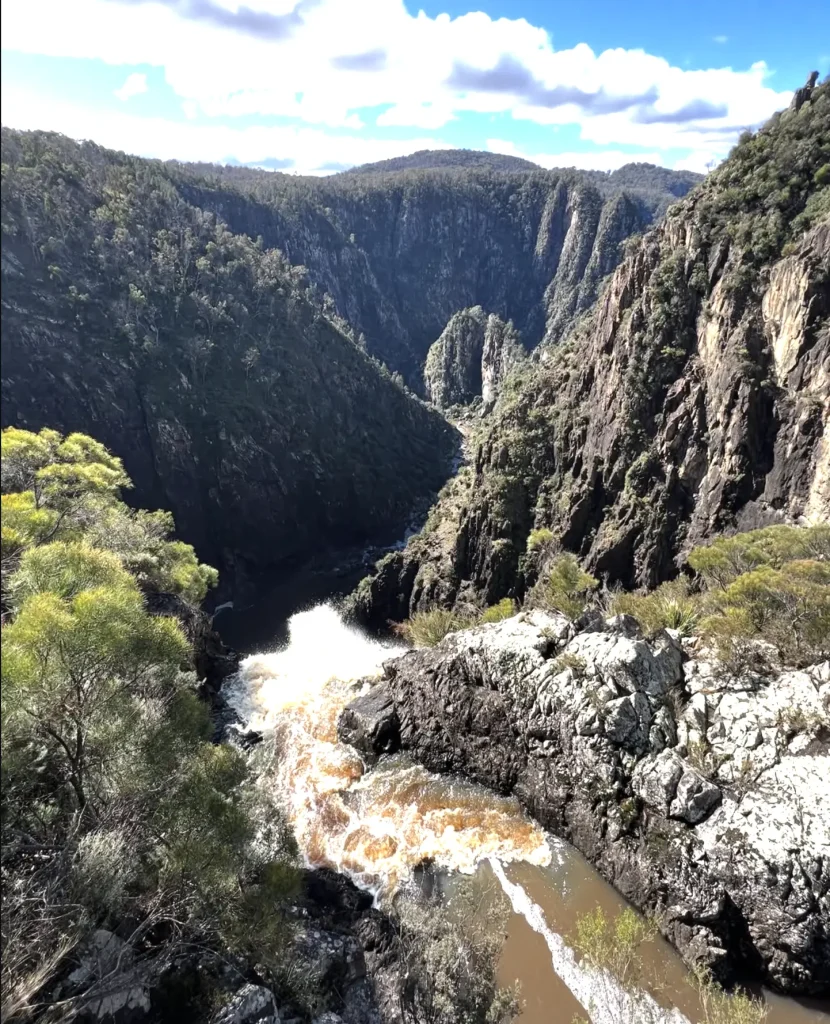
Oxley warms up faster than the plateau because of its deep gorges. That means the flowers tend to kick in earlier, especially around Dangars Falls and the walks along the rim.
What you’ll see is rock-loving species, cliff-edge daisies, and wattles lining the tracks. Carry water and a hat when you’re out – this is exposed country once the sun gets hot.
Cathedral Rock National Park – The Hard-Hitting Beauty Of Granite
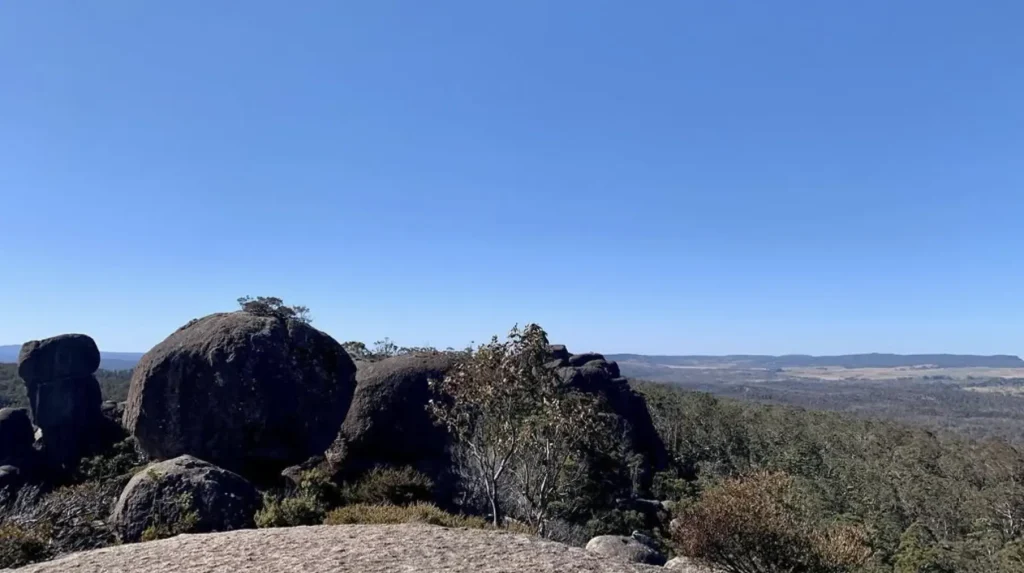
Some people think the granite country looks unforgiving, but spring brings it to life. The shallow soils heat up quickly, triggering bursts of colour in the cracks and hollows.
Here you’ll see sun orchids after a warm day, peas snaking through the rocks, and compact shrubs smothered in white and purple blooms. The walks are short and rough, but perfect for taking slowly.
Orchids And Grassland Species That Steal The Show
It’s not about big, showy flowers here – it’s all about the details. Terrestrial orchids, in particular, are a real reward for taking your time.
- Greenhood orchids in shaded forest margins
- Donkey orchids scattered across the grassland
- Sun orchids that only open properly on warm, sunny days
The best orchid patches are often the ones you stumble upon when you stop and take it in. If you’re charging along, you’ll probably miss them.
That’s where guided operators like Wildlife Tours can be useful. A local guide knows where to slow down and what to look for without trampling fragile ground.
How The Tablelands Compare Across NSW
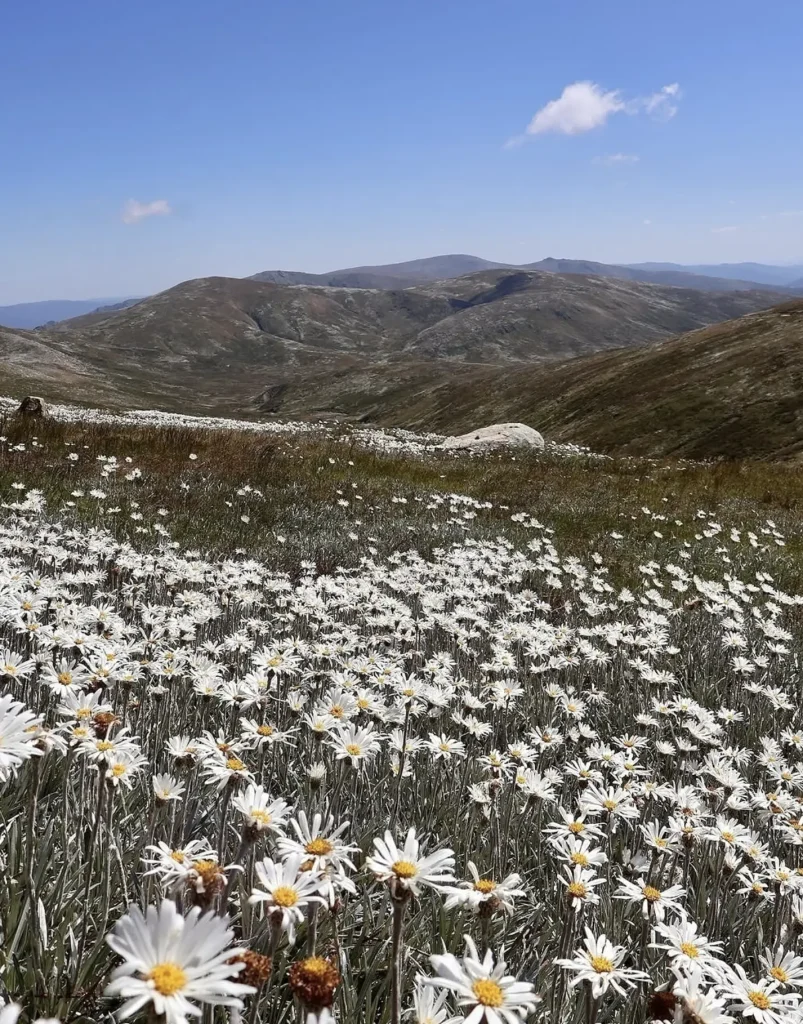
Spring can be a mixed bag across New South Wales. The alpine areas in Kosciuszko National Park come later, focusing on alpine herbs. The Blue Mountains National Park leans toward sandstone heath and cliff species.
The Tablelands sit in a middle ground – higher and colder than the Central Tablelands, but more open and grassland-driven than the Barrington Tops.
People ask where’s the great dividing range in all this. The short answer is it’s a big system, and the Tablelands sit right in the middle.
Wildflowers Versus Farms And Gardens
Canola fields around the Hunter Valley and Central West look spectacular, but they’re a single crop. Places like the Royal Botanic Garden or Australian Botanic Garden are curated spaces.
Up here, flowers bloom where they want to – not where a designer planned them.
Using Trails And Guides Well
Visitor centres might offer a seasonal wildflower trail or booklet, but they’re an educated guess, not a guarantee.
- Match species to habitat, not just dates
- Check winter rainfall totals
- Walk slowly and scan the ground
Spring unpredictability is part of its charm.
Planning Realistically: Weather, Roads, And Safety
- Frosty mornings into late September
- Sudden storms in October
- Slippery tracks after rain
Pack layers, water, decent shoes, and offline maps. Mobile reception drops quickly once you leave town. Flexibility matters.
Respecting Country And Staying On Track
Stay on formed tracks, leave flowers alone, and take nothing when you leave. Many plants take years to grow, and a single misstep can undo that work.
A Low-Key 2 Day Spring Loop
Day One
- Point Lookout walk in New England National Park
- Lunch near Ebor, keeping it simple
- Waterfall Way for an easy afternoon drive
Day Two
- Granite country in Cathedral Rock National Park
- Lunch in Armidale
- Wollomombi Gorge for a late afternoon rim walk
The beauty of this trip is short drives, immersion, and time.
The Season is Short – Make the Most of It
Spring in the New England Tablelands is understated and fleeting. At the right time, it’s one of NSW’s most impressive wildflower displays, shaped by altitude, weather, and the Great Dividing Range.
Slow down, watch the weather, and let the country show you what it offers.
FAQ
Is there one magic week for peak flowering?
Not really – weather and conditions are the real deciding factors. September and October are usually pretty good, but ultimately it all comes down to how much rain we get
Need a 4WD to get to the good stuff?
Unlikely – most of the key spots are accessible by decent road, though it’s worth remembering that rain can turn even the best road into a mudbath
Are the walks suitable for beginners?
Absolutely, if you keep things simple and don’t overreach. There’s plenty of interesting stuff right beside the formed tracks
Can the kids come along?
Of course, they can – this is a great chance to teach them about observation and respect for nature. Just stick to the easier walks and make sure they know what’s going on
Are guided tours a good idea?
If you want to get a bit more out of your trip and don’t want to spend hours figuring out what flowers are what, then yeah, a guided tour might be worth considering. Organisations like Wildlife Tours can help you identify some of the more obscure species.